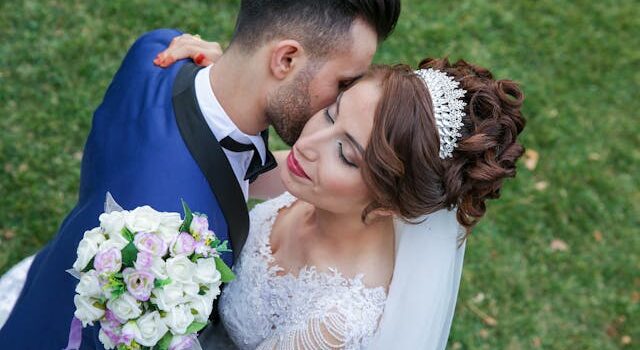
When it comes to bridal fashion, few accessories hold as much emotional and aesthetic value as the wedding veil. Yet, not all veils are created equal. In today’s market, brides are often faced with two distinct choices: a handmade veil crafted by artisans or a mass-produced version created in factories. While both may appear similar from a distance, the difference becomes clear in their quality, craftsmanship, and the feeling they evoke. Understanding what sets them apart can help brides choose a piece that truly resonates with their personality and vision.
 A handmade veil is born from creativity and patience. Each detail—from the choice of lace to the final placement of embellishments—is carefully considered. Artisans often spend hours, sometimes days, sewing delicate patterns by hand, ensuring every stitch contributes to the harmony of the piece. This level of precision results in a veil that feels alive, one that tells a story through texture, shape, and subtle imperfections that make it unique. Every handmade veil carries the touch of the person who created it, and that human connection gives it soul. It’s a slow, deliberate process, but one that celebrates artistry over speed.
Mass-produced veils, on the other hand, are designed for efficiency. Machines handle most of the work, with fabrics cut and assembled in large quantities. The goal is uniformity and affordability. While these veils are accessible and convenient, they lack the individuality that defines handcrafted designs. They may look beautiful but often feel impersonal—replicas of one another, missing the charm of imperfection. The materials used are typically more synthetic, the lace less intricate, and the finish less refined. For brides seeking a purely functional accessory, these veils can suffice, but for those dreaming of something meaningful, handmade options stand in a league of their own.
Behind every handmade piece lies an atelier—a space where creativity and tradition intertwine. In France, where bridal craftsmanship has deep roots, artisans continue to uphold centuries-old techniques. Workshops such as the french wedding veil embrace this heritage, crafting veils that combine classic couture methods with modern sensibility. Their approach focuses on selecting premium fabrics, like silk tulle or Chantilly lace, and transforming them into delicate creations designed to complement a bride’s individuality. It’s not just about making a product, but about shaping an experience—a wearable work of art that feels personal from the very first fitting to the moment it catches the light down the aisle.
Another defining element of handmade veils is the customization they offer. Brides can collaborate with designers to adjust the length, color, embroidery, or lace placement. Every detail can be tailored to match the gown, hairstyle, or even the wedding’s theme. This flexibility allows for emotional connection: when a bride wears something made specifically for her, it carries sentimental value that mass production can’t replicate. It becomes a keepsake, a tangible reminder of care and intention. This customization process can also revive family traditions, incorporating heirloom lace or motifs passed down through generations.
The emotional difference is just as striking as the visual one. A handmade veil invites a sense of intimacy—it connects the bride not just to her own story, but to the maker’s artistry. Knowing that someone’s hands shaped the edges, aligned the lace, and tied every knot imbues the piece with authenticity. In contrast, factory-made veils often lack that sense of narrative. They are the result of standardization, optimized for volume rather than sentiment. Where handmade veils whisper craftsmanship, mass-produced ones echo repetition. The emotional depth simply cannot be manufactured.
Quality control plays another crucial role in this distinction. In artisanal ateliers, every veil undergoes detailed inspection before leaving the workshop. Edges are reinforced by hand, threads are secured, and patterns are reviewed for symmetry. Each step is guided by an eye for perfection that machines cannot emulate. In industrial settings, quality checks are typically random, and while standards exist, the sheer scale of production means minor flaws may go unnoticed. It’s the difference between something carefully nurtured and something merely assembled. For brides who value durability and finesse, the handmade route offers reassurance and reliability.
Price is often a deciding factor, and understandably so. Handmade veils usually cost more, reflecting the time, materials, and expertise invested. However, the value extends beyond numbers. When a bride invests in craftsmanship, she’s not just buying a product—she’s supporting skilled artisans, sustainable production, and ethical practices. Mass production may be cheaper, but it often compromises on these fronts. Choosing handmade means choosing integrity, both in artistry and in impact. It’s an investment in something that holds meaning long after the wedding day is over.
From an aesthetic standpoint, the difference is also evident in movement and texture. Handmade veils tend to drape more naturally, catching the light in a softer, more organic way. They complement the bride’s silhouette instead of overwhelming it. Machine-made veils, by contrast, can sometimes appear stiff or overly uniform. Subtle details—like how the lace blends into the tulle or how the edge falls—make all the difference when viewed up close. What looks similar in photos feels entirely different in person, and it’s that tactile connection that elevates the handmade experience.
Beyond aesthetics, the philosophy behind handmade craftsmanship speaks to a broader cultural value: the preservation of artistry in an age of automation. Each handcrafted veil is a tribute to the timeless art of needlework, passed down through generations of dedicated makers. Supporting handmade creation helps sustain these traditions, ensuring they continue to thrive in modern fashion. It’s not just a purchase—it’s a celebration of heritage, detail, and the human spirit. When brides choose handmade, they choose to honor this lineage while expressing their individuality in the most graceful way possible.
In the end, both handmade and mass-produced veils serve the same purpose—to complete a bride’s look. But while one focuses on accessibility, the other embodies artistry and emotional connection. The handmade veil transforms from an accessory into a keepsake, a symbol of patience and devotion stitched into every thread. For brides who value authenticity, the choice is clear: a veil made by hand carries not only beauty but soul—a quiet reminder that some of life’s most precious things can never be replicated by machines.
